

 Back to Blogs
How Modern Replacement Windows Help Protect Homes During Severe Weather?
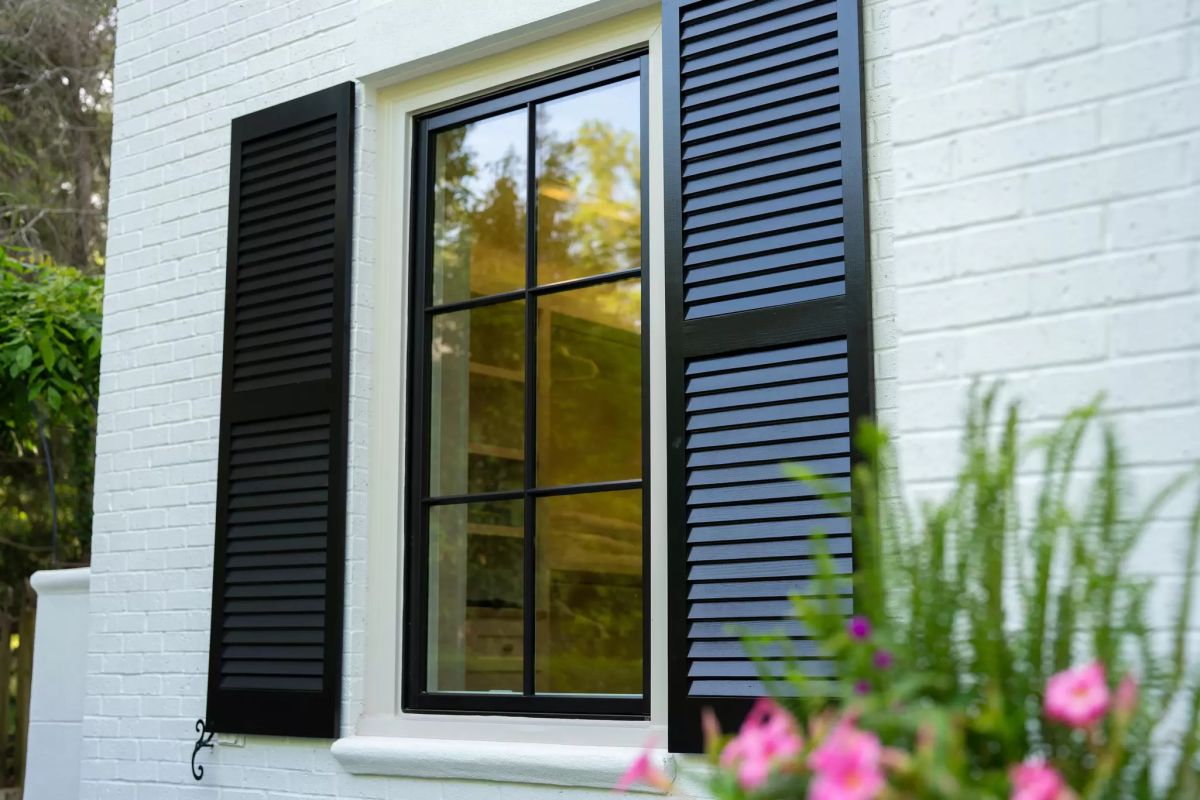
Modern replacement windows can improve a home's ability to withstand strong winds, heavy rain, snow, and sudden temperature swings. Better sealing, sturdier frames, improved glazing, and professional installation work together to reduce drafts and moisture intrusion. Protection still depends on window design, installation quality, and weather severity, so window replacement is best viewed as one part of a home's overall weather defense, not a guarantee against every condition.
How Can Modern Replacement Windows Help During Severe Weather?
Older windows tend to develop gaps around the frame and sash over time. Modern replacement windows are built with tighter tolerances, helping limit air infiltration during windy or stormy conditions.
Stronger frame materials resist warping, so the window continues to seal properly even after repeated exposure to wind and rain. Improved glazing adds another layer of resistance against moisture and temperature swings.
Together, these upgrades help reduce drafts and provide a more consistent seal. Window replacement cannot promise a stormproof home, but it can meaningfully improve everyday weather resistance.
What Window Features Matter Most During Severe Weather?
Several features influence how a window performs when weather turns rough:
- Durable frames that resist warping under temperature and moisture stress
- Quality weatherstripping that seals gaps around the sash
- Properly sealed joints that keep water and air from sneaking through
- Insulated glass that helps manage heat transfer
- Low-E glass, a coating that reflects certain wavelengths of light to help regulate indoor temperature
- Multiple panes for added insulation between layers of glass
- Strong, precise installation practices that keep every component working as designed
Each feature plays a role. A durable frame means little without weatherstripping to seal it, and insulated glass performs best when the frame is sound.

Can Replacement Windows Help Keep Rain and Moisture Out?
Properly installed and sealed windows can meaningfully reduce unwanted water and air infiltration. Correct flashing directs water away from the opening, while seals and weatherstripping seal small gaps where moisture can enter.
Frame condition matters too. A deteriorating frame can compromise even a well-designed window, so installation quality and proper drainage design both matter.
Windows are only one part of a home's moisture protection system. Roofing, siding, and proper grading also help keep water out.
How Do Modern Windows Improve Winter Comfort?
Lehigh Valley winters bring freezing temperatures, snow, and long stretches of cold that put real demands on a home's envelope. Energy-efficient windows help reduce heat transfer near the glass, which can contribute to more consistent indoor temperatures.
Reduced cold-air infiltration means fewer noticeable drafts near seating areas close to windows. Energy savings vary by home and product, but better sealing and insulated glazing generally support improved comfort during colder months.
This kind of upgrade often resolves long-standing draft issues that standard maintenance alone cannot fix.
Can New Windows Help Protect Against Wind and Temperature Changes?
Aging or damaged windows often struggle with exposure to strong winds and Pennsylvania's temperature swings. Seasonal expansion and contraction can widen small gaps over time, increasing air leakage and drafts.
Modern replacement windows, properly installed, offer improved sealing and structural performance compared with older units. Standard windows are not designed to withstand hurricanes or direct storm impacts, and homeowners seeking that level of protection should ask specifically about impact-resistant products.
When Should Lehigh Valley Homeowners Consider Window Replacement?
Certain signs suggest older windows may no longer perform the way they should:
- Noticeable drafts near closed windows
- Damaged or deteriorated frames
- Difficulty opening or closing the sash
- Condensation forming between glass panes.
- Visible water intrusion around the frame
- Worn or missing weatherstripping
- Poor insulation or inconsistent room temperatures
- Visible gaps or failed seals
If several signs sound familiar, it may be time to explore new options. This guide to common installation mistakes can help homeowners avoid costly missteps.
Window Features and Their Weather-Related Benefits
Window Feature | Potential Weather-Related Benefit |
| Insulated Glass | Helps reduce heat transfer |
| Weatherstripping | Helps limit drafts and air leakage |
| Quality Seals | Helps reduce moisture and air infiltration |
| Durable Frames | Supports long-term performance |
| Low-E Glass | Helps manage solar heat and heat transfer |
| Professional Installation | Helps ensure proper fit and sealing |
The Bottom Line for Lehigh Valley Homeowners
Severe weather is a fact of life in Pennsylvania, from icy winters to windy spring storms. Windows that no longer seal properly leave a home vulnerable to drafts, moisture, and rising energy bills.
Choosing the right products and pairing them with professional installation makes a real difference over time. Window World of Lehigh Valley helps homeowners upgrade with energy-efficient windows built for Pennsylvania's changing seasons.
Every window is backed by a Lifetime Limited Warranty for long-term peace of mind. (Restrictions may apply. For complete details, contact Window World of Lehigh Valley).
If your windows are showing their age, now is a good time to explore your options. Request a free quote to see how window replacement could improve comfort this year.
Frequently Asked Questions
-
Yes, modern replacement windows with tighter seals and durable frames can improve resistance to wind and moisture, though the extent of protection depends on product quality and installation.
-
Quality weatherstripping, insulated glass, and properly sealed frames all help reduce drafts, working together to keep cold air from entering during winter.
-
Properly installed windows with correct flashing and weatherstripping can reduce water infiltration, though roofing and siding also play a role in moisture control.
-
Double-pane windows generally offer better insulation and moisture resistance than single-pane windows, thanks to the added air gap between glass layers.
-
Yes, proper installation ensures seals, flashing, and frames function as designed, directly affecting how well a window resists drafts and moisture.