

 Back to Blogs
How Window Placement Can Improve Natural Light Throughout Your Home?
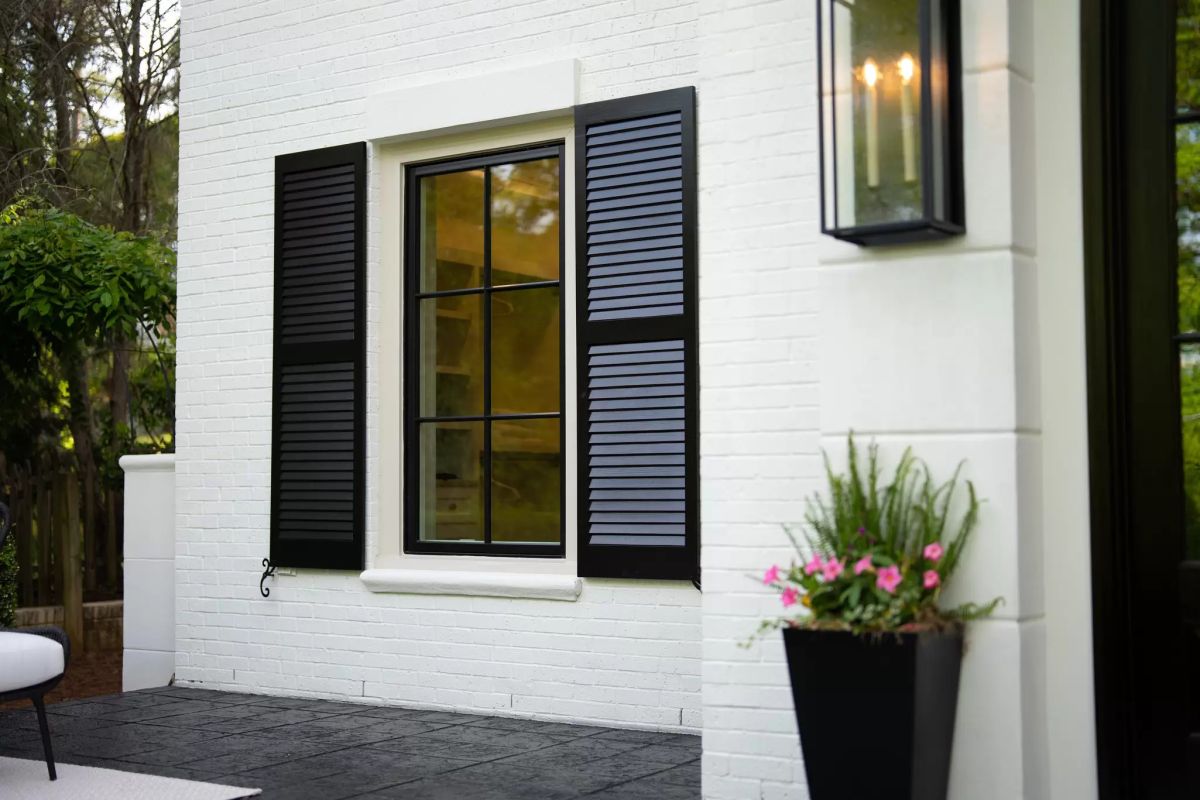
A room can feel dark even with a large window. The reason often comes down to where the window sits, which direction it faces, and whether trees or nearby buildings block the sunlight. A well-planned window replacement lets you address these issues instead of simply replacing an old window with a similar one.
In the Lehigh Valley, Pennsylvania, changing seasons directly affect how sunlight enters your home.
By considering your home's layout, window height, and preferred window styles, you can use natural daylight more effectively year-round.
Why Does Window Placement Matter More Than Window Size?
Window placement in a room affects how much daylight enters and how far that light travels. A smaller window in a sunny, unobstructed location may brighten a room more effectively than a larger window shaded by trees or a neighboring building.
A few factors make a noticeable difference:
- Window Height: Higher windows can send daylight farther into a room, particularly when the exterior view is unobstructed.
- Wall Direction: The direction a window faces affects when sunlight enters and how strong it feels.
- Room Layout: Furniture, interior walls, and deep corners can prevent incoming light from spreading evenly.
When replacing windows, reviewing these details helps you decide whether to keep the existing opening, change its size, or consider a different location.
How Does Each Side of Your Home Handle Sunlight?
In Pennsylvania, south-facing windows get the most sunlight year-round, while north-facing windows provide consistent, indirect daylight, and east- and west-facing windows get more intense sunlight at different times of day.
South-Facing Windows
Windows that face south are useful in rooms in which you need a lot of daylight; in winter the low angle of the sun enables the sunlight to go further into the room, and in summer appropriately designed overhangs can help to reduce direct sunlight during the hotter parts of the day.
North-Facing Windows
North-facing windows provide softer, more uniform light because they receive less direct sunlight and glare. They are suitable for use in home offices, studios, and other areas where steady lighting is advantageous.
East- and West-Facing Windows
East-facing windows bring in morning sunlight, making them a practical choice for kitchens and breakfast areas. West-facing windows receive stronger afternoon and evening sun, which can brighten living rooms but may also create glare and unwanted heat during summer.
Consider how you use each room before deciding which direction or window configuration would work best.

Which Window Styles Let in the Most Natural Light?
Picture windows generally provide the clearest, most uninterrupted view because they have no operating sash dividing the glass. However, the best style for your home depends on the available opening, ventilation needs, and how much daylight you want.
Here are several options to consider:
- Picture Windows: Their large, fixed glass areas let in daylight without the visual interruption of an operating sash. They work well in living rooms and other spaces where an unobstructed view is a priority.
- Bay and Bow Windows: These windows project outward and can bring light in from different angles, depending on their design and orientation.
- Casement and Awning Windows: Both styles open for ventilation. Casement windows hinge at the side, while awning windows hinge at the top.
- Double-Hung Windows: With two movable sashes, they suit many traditional homes and offer flexible ventilation.
A thoughtful window replacement plan can combine fixed windows for uninterrupted daylight with operable styles for ventilation.
Where Should You Place Windows to Brighten Each Room?
The best window placement depends on the room's purpose, available wall space, and the direction of natural light. Here are a few practical ideas for common areas of the home.
Living and Dining Rooms
Windows on two adjoining walls can spread daylight more evenly and reduce dark corners. If one side of the room remains gloomy, adding glass to another wall may help more than simply enlarging the existing window.
Kitchens
A window above the sink can bring natural light to dishwashing and food prep. Consider how the window opens, too. A casement window may be convenient when you want ventilation without reaching across a large counter.
Hallways and Stairwells
Hallways and stairwells often get little direct sunlight because they are far from exterior walls with large windows.
In older homes and rowhomes around Allentown and Bethlehem, you can also brighten rooms with limited daylight by using existing front, side, or rear windows more effectively.
Bring More Natural Light Into Your Home
Brighter rooms start with understanding where daylight comes from and how it moves through your home. Window direction, height, style, and surrounding obstructions all matter.
Window World of Lehigh Valley helps homeowners explore all window options. If you're considering window replacement, contact the team to discuss your project.
Frequently Asked Questions
-
Yes. Wall direction, window height, and outdoor obstructions affect how much daylight enters a room and how far it reaches inside.
-
In Pennsylvania, south-facing windows usually get the most sunlight year-round, but the best orientation depends on your house's location, the room's function, and your preference for direct or indirect light.
-
Picture windows generally offer the most uninterrupted glass because they don't have operating sashes. The actual amount of daylight also depends on the window's dimensions, orientation, and surroundings.
-
To brighten a dark room, make sure nearby windows aren't obscured by heavy curtains or other outdoor obstacles. You might also choose lighter wall colors and use reflective surfaces to make the most of the natural light you already have.
-
Yes, replacing a window can help if the new window offers more usable glass, a better layout, or a less obstructed position. The improvement will vary depending on the room's layout, the direction of the sunlight, and the surrounding environment.