

 Back to Blogs
How Pennsylvania's Summer Heat Affects Window Performance and Comfort?
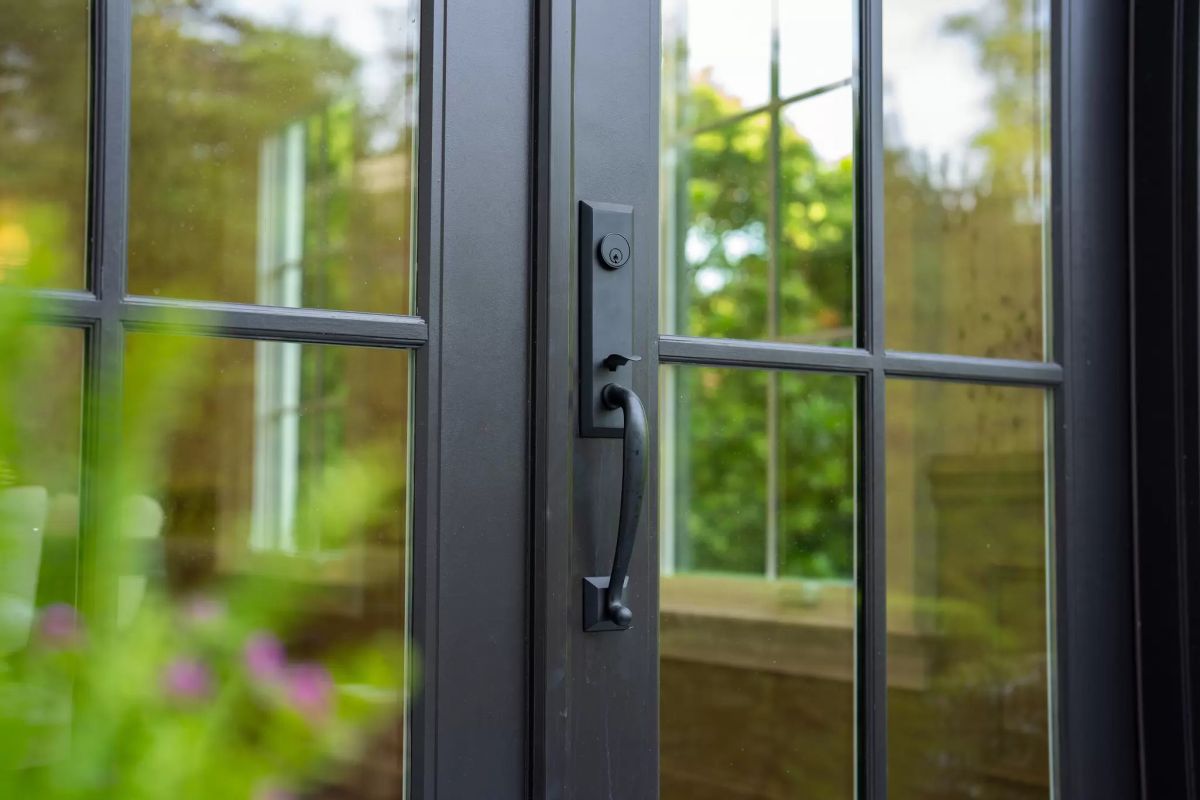
Pennsylvania’s hot, humid summers can make it difficult to keep indoor temperatures comfortable, especially when windows no longer seal properly or block heat effectively. Older windows may allow excess heat to enter, force air conditioning to work harder, and leave certain rooms warmer than others.
Understanding how glass, frames, seals, and window design affect indoor comfort can help homeowners identify what needs attention.
For many Lehigh Valley homes, window replacement can improve insulation, reduce unwanted heat transfer, and maintain more consistent temperatures throughout the summer.
How Does Summer Heat Affect Window Performance?
Summer heat affects windows in three main ways. It travels through the glass, stresses frames and seals, and pushes humid air through small gaps. Any of these issues can raise indoor temperatures even when the thermostat stays put.
Sunlight passes through glass and warms whatever it lands on. Those surfaces release heat slowly, so a room stays warm for hours.
Heat also expands frames and sashes. When seals have already dried out or loosened, expansion widens the gaps, and warm air finds an easy path inside.
Pennsylvania humidity adds one more problem. Moist air entering through worn weatherstripping makes rooms feel sticky, so the air conditioner works longer.
Why Do Some Rooms Feel Hotter Than Others?
Glass size, type, and seal condition determine how much of that heat reaches the room. Rooms with west-facing or south-facing windows run hottest because they get direct sun for hours. Moreover, bedrooms are the classic trouble spot. Heat rises through the house, and sunlit second-floor glass adds even more.
These signs often point to windows as the cause:
- Glass or frames that feel hot to the touch on sunny afternoons
- Faded floors, rugs, or furniture near the window
- A room that never cools down like the rest of the house
- Cracked caulk, visible gaps, or worn weatherstripping
- Condensation trapped between the panes
If several of these sound familiar, the windows deserve a closer look.

Which Window Features Help Keep a Home Cooler?
The right features slow heat transfer and keep outdoor air outside. A good window replacement brings several together in one upgrade.
Insulated Glass and Tight Seals
Window World of Lehigh Valley windows use a double-pane insulated glass unit with a sealed air space between the panes that slows heat transfer. Tinted glass options are also available, and a design consultant can explain which choices fit your home.
Vinyl Frames and Professional Installation
Window World of Lehigh Valley vinyl components resist chipping, peeling, cracking, and warping, so frames keep their shape through hot summers and freezing winters. Double-hung windows also include a sloped sill that drains water away quickly.
Installation decides the rest. A window set out of square leaves gaps no matter how good the product is. Professional installation keeps the fit tight.
Which Window Styles Work Best for Summer Comfort?
Style changes how air moves through a room, not only how it looks. You can choose from window style options, including
- Double-hung windows that open from the top and bottom sashes, letting hot air escape high while cooler air enters low. Tilt-in sashes also make cleaning easier.
- Casement and awning windows that crank open to catch side breezes and press tight against the frame when closed.
- Picture windows do not open, so they work best beside operable windows.
When Is It Time to Replace Your Windows Before Next Summer?
Window replacement may be worth considering when your windows can no longer keep indoor temperatures comfortable despite regular maintenance and proper shading. Look for these signs:
- Failed Seals: Fog or condensation between glass panes can indicate a broken seal that affects insulation.
- Damaged Frames: Cracked, warped, or rotting frames can allow outdoor air and moisture to enter.
- Uneven Indoor Temperatures: If certain rooms stay hot even when the air conditioning is running, your windows may be contributing to heat gain.
- Rising Energy Bills: Older, inefficient windows can make it harder to maintain comfortable temperatures during summer.
Planning ahead gives you time to compare window styles, glass options, and energy-efficient features before the hottest months arrive. Scheduling installation during fall, winter, or early spring may also provide more flexibility before summer demand increases.
Lehigh Valley Homeowners Can Trust Professional Window Replacement Services
Summer heat tests every part of a window, from the glass to the seals to the frame. Weak links show up as hot rooms and humid air. Tight seals, insulated glass, durable frames, and careful installation work together to fix that.
For homes with aging windows, replacing them is an ideal way to make summer much more comfortable. You can browse our window options and choose the one that best fits your home needs.
Ready to see what new windows could do for your home? Request a free quote today.
Frequently Asked Questions
-
Prolonged heat can stress aging frames, loosen seals, and widen gaps, letting warm air in and reducing indoor comfort.
-
Sun-facing glass, failed seals, and air leaks let heat in faster than cooling can remove it, especially in upstairs rooms. This can make one room hotter than the rest of your house.
-
Yes, old windows can make air conditioning cost more. Leaky windows let cooled air escape and heat enter, so your air conditioner runs longer. Actual savings vary by home.
-
Look for drafts, condensation between panes, damaged frames, hard-to-open sashes, hot glass, and rooms that never really cool down properly. These signs indicate your windows need replacement.
-
Double-hung windows with insulated glass and tight seals suit most homes in summer. A design consultant can recommend options for each room.