

 Back to Blogs
What Are the Different Types of Entry Doors for Residential Homes?
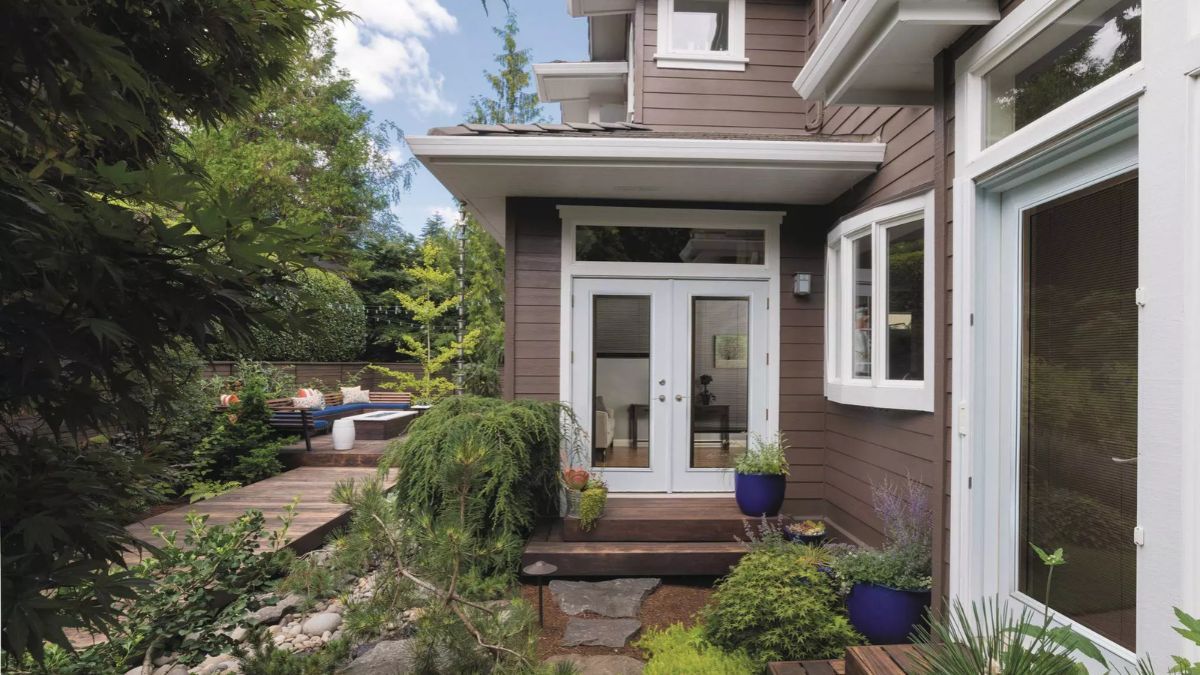
The three main entry door materials are wood, steel, and fiberglass. Wood offers a classic look but needs frequent upkeep. Steel is strong and budget-friendly but can dent and rust. Fiberglass combines the look of wood with better durability, stronger insulation, and minimal maintenance.
If you're planning an entry door replacement, the material you choose shapes your home's curb appeal, comfort, security, and energy bills for years to come. Your front door opens and closes thousands of times a year and faces every heat wave, nor'easter, and freezing night head-on. Here's a clear look at each option so you can decide with confidence.
What Are the Different Types of Entry Doors Based on Material?
1. Wood Entry Doors:
Wood has long been the traditional choice for front entrances. It offers natural warmth and can be carved into detailed designs. However, wood absorbs moisture and expands and contracts as humidity changes. In Pennsylvania, where humid summers give way to icy winters, that movement often leads to:
- Warping, cracking, or sticking in the frame
- Peeling finishes that need refinishing every year or two
- Gaps that let drafts and moisture inside
Wood also has relatively low door insulation value compared to modern insulated doors.
2. Steel Entry Doors:
Steel entry doors feature a metal skin wrapped around an insulated foam core. They're known for strength and an affordable price point. The trade-offs are worth knowing, though:
- Hail, carts, or a stray ball can leave dents that are hard to repair.
- Scratches can expose the metal and lead to rust, especially near salted walkways.
- The surface can feel hot in summer sun and cold in winter.
3. Fiberglass Entry Doors
Fiberglass entry doors have become the go-to option for many homeowners because they solve the weaknesses of both wood and steel. A fiberglass skin won't rot, warp, twist, or bow like wood, and it won't dent or rust like steel. With an energy-efficient insulated core, fiberglass doors can provide up to four times the insulation value of wood.
Fiberglass is also remarkably versatile in style:
- Smooth: A clean surface with a crisp, painted look in a wide range of factory colors
- Woodgrain: Realistic oak, mahogany, and cedar textures available in hand-rubbed stains or painted finishes
- Modern: Sleek glass designs, such as vertical and horizontal bar lites, for contemporary homes
Quick Comparison
| Material | Maintenance | Dent and Rot Resistance | Insulation | Best For |
| Wood | High | Low | Low | Historic restorations |
| Steel | Moderate | Moderate (can dent and rust) | Good | Tight budgets |
| Fiberglass | Low | High | Excellent | Long-term value and comfort |
What Features Should You Look for in a High-Quality Entry Door?
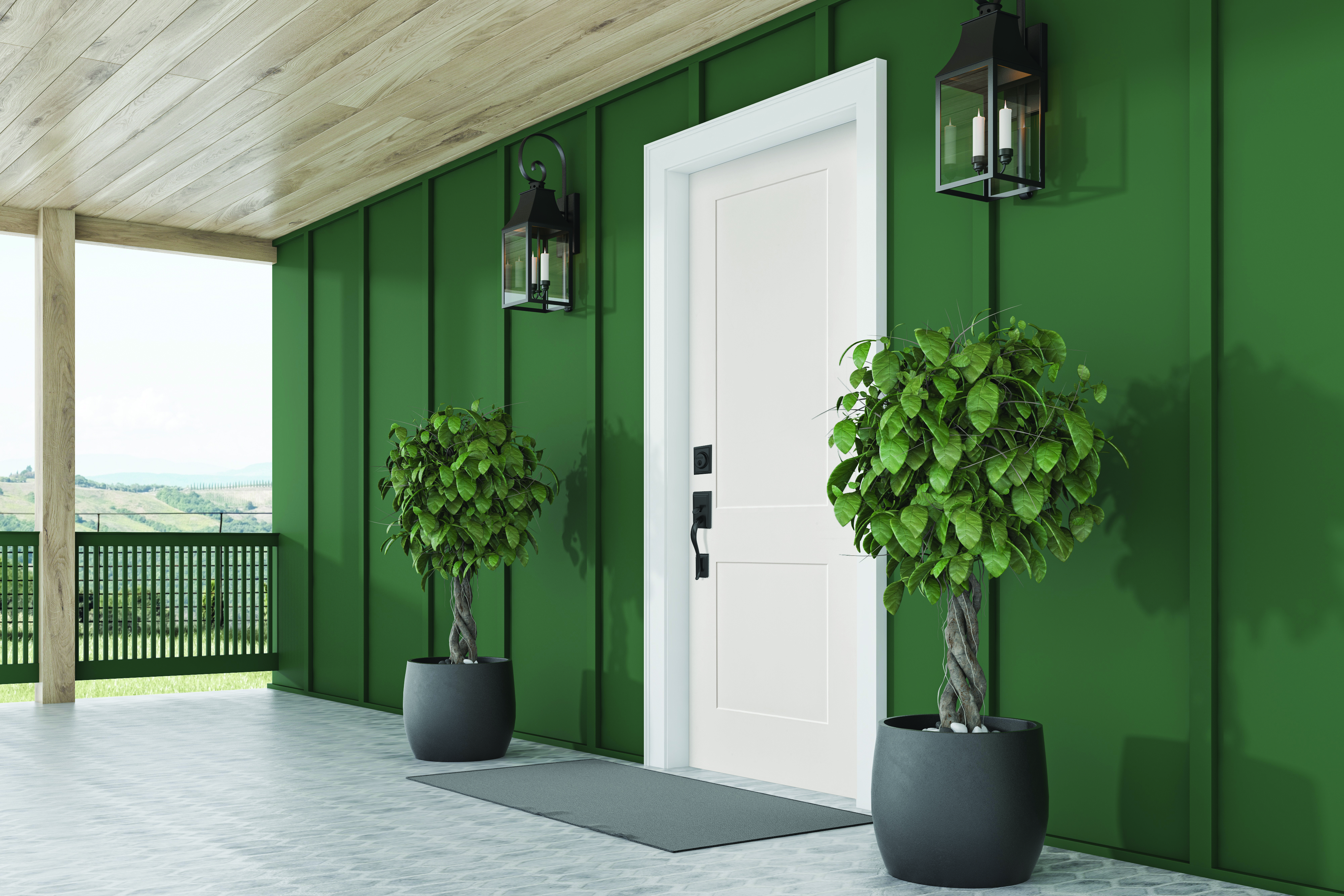
Material is only part of the story. When comparing exterior doors, check for these features:
- Insulated, energy-efficient core - Look for a high R-value, which measures how well a material resists heat flow. The higher the number, the better the door keeps warm air in during winter and out during summer. Energy-efficient entry doors help reduce strain on your heating and cooling system.
- Edge-to-edge weather protection - Quality doors are sealed against moisture along every edge and paired with tight weatherstripping, the flexible seal around the frame that blocks drafts and water.
- Strong security hardware - Multi-point locking systems secure the door to the frame at several points instead of just one deadbolt, improving home security. Keyless electronic locksets add everyday convenience.
- Glass options that balance light and privacy - Choose from full, three-quarter, or half lites (glass panels), decorative patterns, or textured privacy glass. Sidelites (narrow glass panels beside the door) and transoms (glass above the door) brighten dark entryways. Some doors also offer internal blinds sealed between the glass, so there's no dusting.
- Architecturally correct details - Wide, well-proportioned panels give the door an authentic, high-end look from the curb.
- Proven quality and a strong warranty - Look for doors made in the USA, backed by a Lifetime Limited Warranty, and recognized with the Good Housekeeping Seal.
- Professional installation - Even the best door will leak air if the frame is out of square. Professional door installation ensures a proper fit, smooth operation, and full warranty protection.
Simple Maintenance Tips for a Long-Lasting Door
A low-maintenance fiberglass door still benefits from a little care:
- Clean it a few times a year with mild soap, water, and a soft cloth.
- Skip abrasive pads, harsh chemicals, and pressure washers that can damage the finish.
- Inspect the weatherstripping each fall before cold weather sets in.
- Keep the threshold free of dirt and debris so the door seals tightly.
- Use only manufacturer-recommended products on hinges and locks.
For a cohesive exterior, many homeowners coordinate their new front door with matching vinyl windows and vinyl patio doors in complementary colors.
Bottom Line
Wood delivers tradition but demands constant upkeep. Steel offers strength at a lower cost but is prone to dents and rust. Fiberglass brings together beauty, durability, and energy efficiency, making it the smartest long-term choice for most homes. When planning a front door replacement, focus on an insulated core, a weather-tight seal, secure hardware, a strong warranty, and expert installation to get the most from your investment and boost your curb appeal.
Ready to upgrade your entrance? Contact Window World of Lehigh Valley today for a Free Quote on professional entry door replacement.
Frequently Asked Questions
-
For most homes, fiberglass is the best choice because it resists dents, rot, and rust while offering excellent insulation and minimal maintenance.
-
Yes. An insulated fiberglass door can provide up to four times the insulation value of a wood door, helping keep your home more comfortable year-round.
-
Yes. Woodgrain fiberglass doors replicate the texture of oak, mahogany, and cedar and can be finished with rich hand-rubbed stains.
-
Common signs include drafts, sticking, rot, dents, rust, foggy glass, and rising energy bills.
-
A professional installation of a single entry door is typically completed within one day.