

 Back to Blogs
What Are Exterior Storm Doors and How Do They Work?
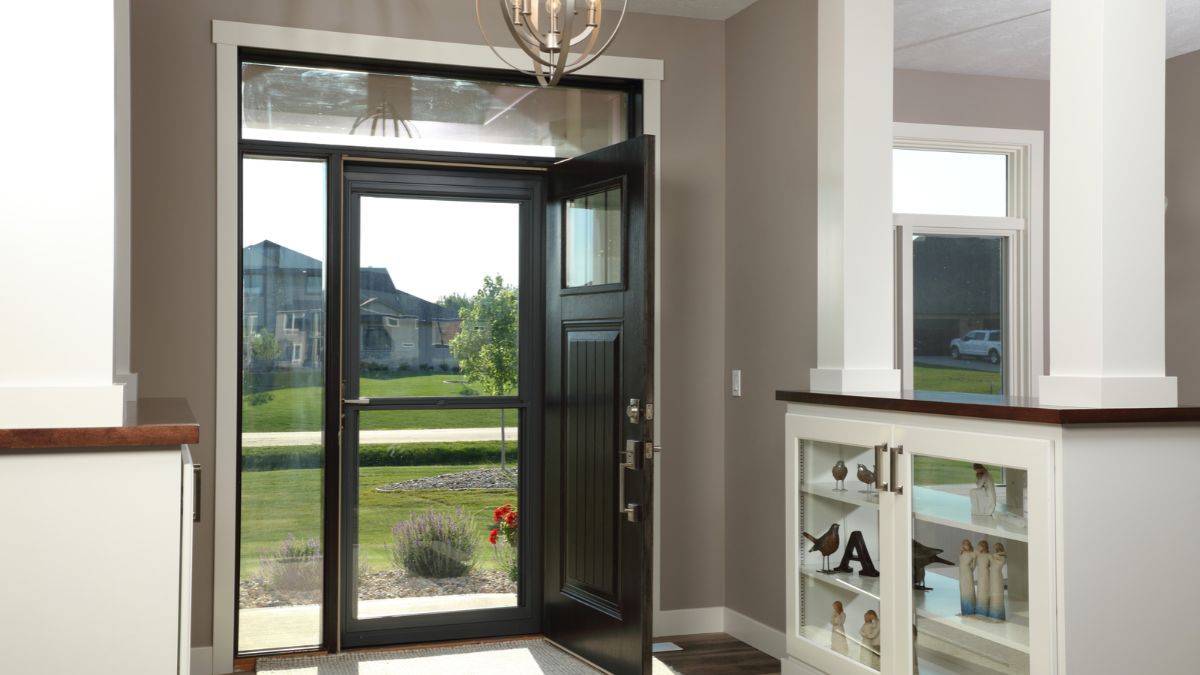
An exterior storm door is a second, lightweight door mounted in front of your main entry door. It shields that door from rain, snow, wind, and sun, lets fresh air in through a screen, and adds an insulating layer to your entryway. For homeowners planning an entry door replacement, knowing how storm doors work makes it easier to decide whether you need a new primary door, a storm door, or both. In this post, we’ve covered exactly what exterior storm doors are and how they work. Read on to learn more.
What Is an Exterior Storm Door?
An exterior storm door is a secondary door installed outside your existing door frame. It usually swings outward, while your main door swings inward. Most models use aluminum, vinyl, or steel framing and have interchangeable glass and screen panels.
Every storm door includes a few basic parts:
- A frame that mounts to the exterior trim around your door
- Glass panels, screen panels, or both
- A pneumatic closer that pulls the door shut gently
- A handle set and latch, often with a keyed lock
- A bottom sweep and weatherstripping to seal gaps
The most common styles include:
- Full-view storm door: One large glass panel that shows off your front door. Many let you swap in a screen panel for warmer months.
- Retractable screen: A screen that rolls down when you want a breeze and tucks away into a hidden housing when you don't.
- Ventilating storm door: Glass and screen panels that slide up or down, so you can open part of the door for airflow without changing panels.
How Do Exterior Storm Doors Work?
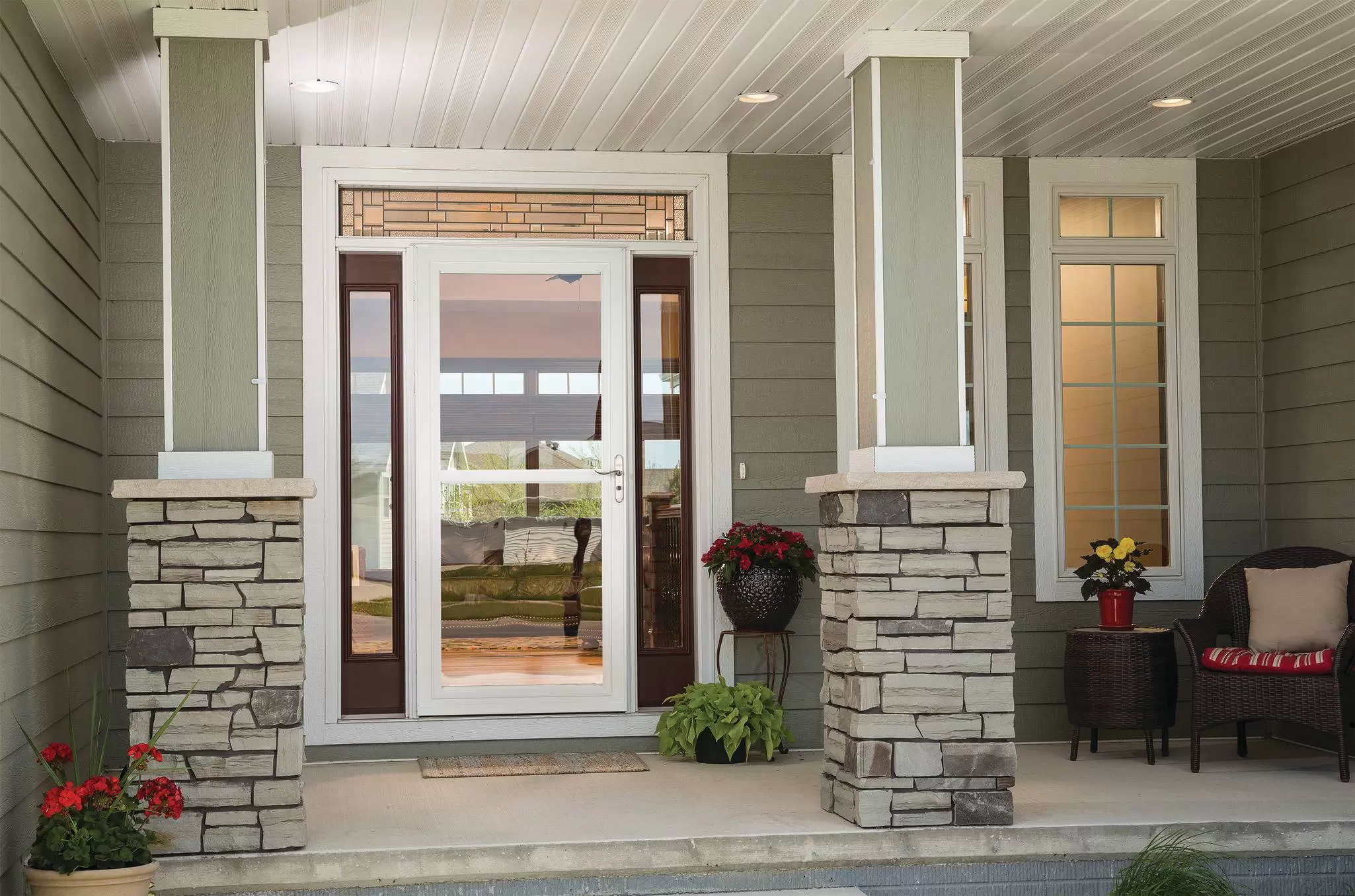
A storm door is simple in design, but it does several jobs at once. Here is what happens when one is installed correctly:
- It creates an insulating air pocket - The space between the storm door and the entry door holds a layer of still air. Still air slows heat transfer, so less warmth escapes in winter and less heat sneaks in during summer.
- It blocks wind and water - The storm door takes the brunt of driving rain, snow, and wind, so your primary door stays drier and cleaner.
- It seals the gaps - Weatherstripping along the frame and a sweep at the bottom reduce drafts, especially around older doors that no longer close tightly.
- It lets air in without letting bugs in - Screens allow natural ventilation on mild days, which can reduce how often you run your air conditioner.
- It manages sunlight - Many storm doors use low-E glass, which has a thin, invisible coating that reflects infrared heat and limits UV rays. The U.S. Department of Energy notes that high-quality storm doors use low-e glass to boost efficiency. It also warns that a glass storm door can trap heat against an entry door that gets more than a few hours of direct sun daily, and low-e glass helps reduce that heat gain.
- It closes on its own - The pneumatic closer keeps the door from slamming and makes sure it shuts fully every time.
What Are the Benefits of Installing an Exterior Storm Door?
A storm door is a modest project with practical payoffs. The main advantages include:
- Improved energy efficiency: The added barrier helps reduce drafts and heat loss, particularly when your current entry door is older or poorly insulated.
- Front door protection: Your main door is shielded from moisture, temperature swings, and debris, which can help paint, stain, and hardware last longer.
- UV protection: Low-E glass helps keep sunlight from fading your door's finish as well as flooring and furniture near the entry.
- Better airflow: Screen and ventilating options let you enjoy a cross-breeze on spring and fall days.
- Added home security: Many storm doors come with keyed deadbolts and sturdy frames, giving you an extra layer between your home and the outdoors.
- Boosted curb appeal: Storm doors are available in many colors, finishes, and hardware styles, so they can complement your siding and trim.
- Noise reduction: The extra layer can dampen some outside sounds from traffic or neighbors.
Bottom Line
An exterior storm door is an extra layer of defense for your home's entry. It traps an insulating air pocket, blocks the weather, lets in fresh air when you want it, and helps your main door last longer. If your current door is solid, a storm door can be a smart upgrade. If it's drafty, damaged, or worn out, an entry door replacement, with or without a storm door, is usually the better long-term choice.
For homeowners in the Lehigh Valley, Window World of Lehigh Valley offers full-view, retractable screen, and ventilating storm doors alongside a range of entry door styles.
Frequently Asked Questions
-
A storm door protects your main entry door from weather, adds insulation, and provides screened ventilation, all in one product.
-
Yes, especially over older or uninsulated entry doors. Models with low-E glass offer the most noticeable improvement.
-
It can if your entry gets more than a few hours of direct sun daily, because heat may build up between the doors. Low-E glass or a ventilating design helps prevent this.
-
No. A storm door protects a door that is in good condition, but it won't fix rot, warping, or a frame that no longer seals.
-
A full-view door maximizes light and showcases your front door, while a retractable screen offers on-demand airflow without swapping panels.
-
Most standard entry doors can accept a storm door, as long as there is enough flat trim around the frame and clearance for both door handles.